
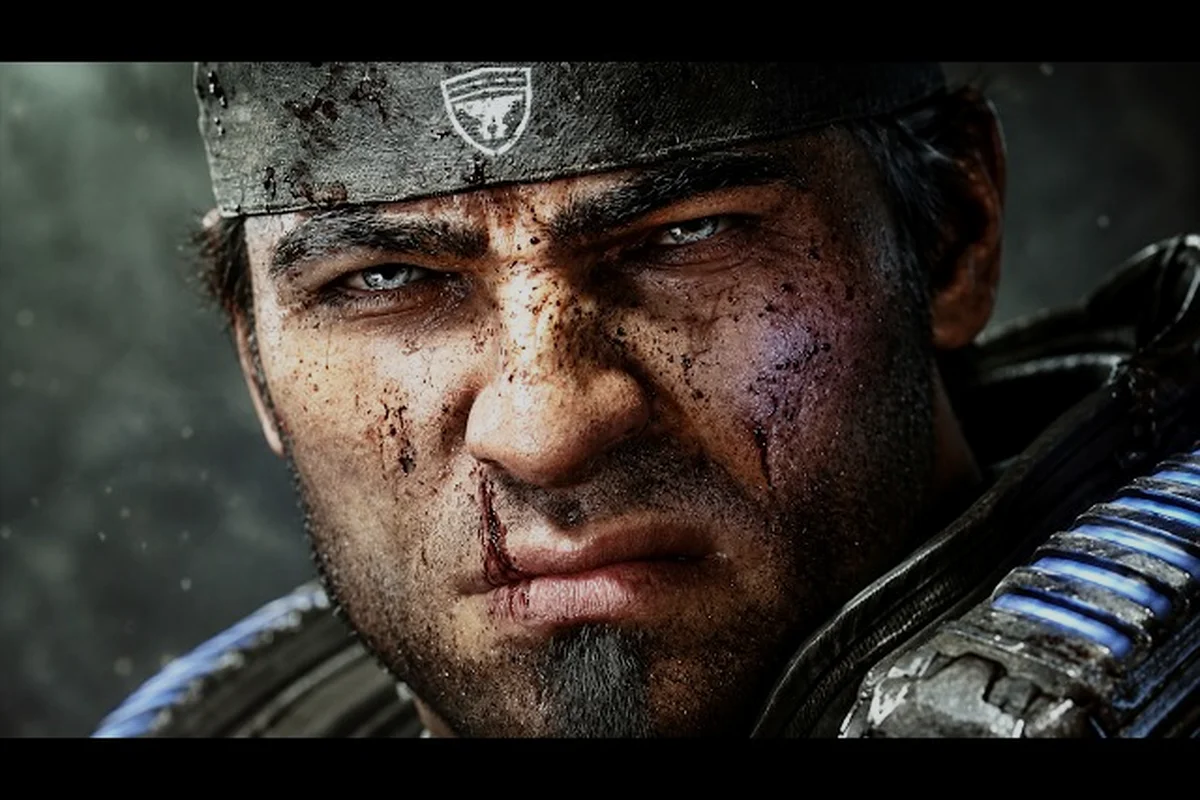
The gears of war e-day combat guide you are about to read breaks down the rebuilt movement system that The Coalition designed specifically for this prequel, and it matters because the classic roadie-run into cover flow has been completely reworked. Slide, vault, and melee now form the backbone of every firefight, so mastering these three verbs will decide whether you dominate Kalona or feed the Locust Horde. Get the latest traversal breakdown straight from the official multiplayer deep dive and community beta testing.
Rebuilt Traversal: Understanding E-Day's Movement Core
The movement overhaul in E-Day is the biggest mechanical shift since the original Gears of War introduced the roadie run, and it changes how you approach every single engagement. According to the official Gears of War: E-Day website, the game features a rebuilt movement system that preserves the weight of classic Gears while adding new traversal abilities that let you slide from a sprint, jump across gaps, climb vehicles and structures, and use low-ground cover. This means the old "stop, aim, shoot" rhythm is gone, replaced by a fluid dance where positioning happens at full speed.
The slide mechanic is your primary gap-closer, and it works differently than the old "dive into cover" input. When you sprint and press the cover button, your character now slides across the ground for several meters before snapping into cover, which keeps your momentum alive while making you a harder target to hit. Community testing during the August 2026 open beta confirmed that the slide covers roughly 50 percent more ground than a standard roll, making it the preferred way to cross open streets when Locust snipers are watching.
The vault mechanic solves the old problem of getting stuck on waist-high walls, because you can now chain a vault directly into a slide or a melee attack without losing speed. This creates a traversal loop that feels closer to a third-person action game than a traditional cover shooter, and it rewards players who keep moving rather than camping behind the same piece of concrete. The low-ground cover option also lets you crouch behind short barriers that would have been useless in older titles, which opens up new sightlines and flanking routes on every map.
The Slide-to-Cover Flow
The slide-to-cover flow is the first thing you should practice in the training area, because it replaces the old "roll into wall" habit that most veterans carry over from previous games. Start by sprinting for at least two seconds to build momentum, then tap the cover button to initiate the slide, and finally release the stick as you hit the wall so your character snaps into cover automatically. The timing window is generous, but the real skill comes from canceling the slide early with a melee attack or a weapon swap, which lets you fake out opponents who are tracking your movement.
What makes the slide so powerful in practice is that it keeps your camera stable while your body moves, so you can pre-aim at the corner you are about to reach. This means you can slide into cover and immediately pop out with a Gnasher blast, whereas a roll would leave you disoriented and vulnerable for a full second. Players who mastered this technique during the beta reported winning close-range duels at a much higher rate, because the slide gives you a predictable approach vector that is still fast enough to punish stationary defenders.
Vaulting and Low-Ground Cover
Vaulting is not just a traversal tool; it is a combat option that lets you change elevation mid-fight, which is critical when the Locust are pushing from multiple angles. The vault kick is the offensive version of this move, and it launches your boot into an enemy's chest if they are standing on the other side of the wall, creating enough knockback to stagger them for a follow-up shot. This is especially useful against Tickers that are rushing your position, because the kick sends them backward and gives you time to back away before they detonate.
Low-ground cover is the defensive counterpart, and it lets you crouch behind barriers that only reach your waist, which means you can shoot over the top while exposing less of your body than a full stand. The tradeoff is that you cannot sprint while in low cover, so you need to decide whether to stay mobile or hold a sightline. According to community reports from the beta, the low-ground mechanic is most effective on the Kalona streets map, where overturned cars and rubble piles create natural firing positions that were previously unusable.
Melee Combat: The Gnasher's Close-Range Partner
The melee system in E-Day is not just a panic button; it is a fully realized combat layer that pairs with the Gnasher shotgun to create devastating close-range combos. The standard melee attack is a quick butt-strike that deals moderate damage and causes a brief stagger, but the real power comes from the charged melee, which requires you to hold the button for a full second before releasing. The charged version launches a heavy haymaker that can knock down standard Locust drones, leaving them vulnerable to a point-blank execution.
What makes the melee system feel fresh is the counter window, which activates when an enemy swings at you and you press the melee button at the exact moment of contact. A successful counter triggers a unique animation that disarms the enemy and leaves them completely defenseless, which is the highest-risk, highest-reward move in the game. Community testing suggests the counter window is about 250 milliseconds, which is tight but learnable with practice, and it completely changes how you approach fights against Berserkers that rely on heavy melee attacks.
The melee dodge is another new tool that lets you sidestep an incoming attack while staying in close range, which is essential when you are fighting multiple enemies in tight corridors. Unlike the full roll, the dodge covers a short distance and keeps your weapon ready, so you can immediately follow up with a shotgun blast or another melee strike. This creates a rock-paper-scissors dynamic where melee beats shooting at point-blank range, dodging beats melee, and shooting beats dodging, which rewards players who can read their opponent's intentions.
Weapon-Specific Melee Variations
Each weapon class has its own melee animation and stats, which means your choice of firearm affects how you should approach close-range combat. The Gnasher has the fastest melee recovery, making it the best weapon for chaining strikes, while the Lancer has a bayonet charge that can close distance quickly but leaves you vulnerable if you miss. The new Gutpuncher weapon, which was revealed on the official website, has a unique melee attack that deals bonus damage to staggered enemies, making it the ideal follow-up to a successful counter.
The Breechshot is the wildcard in the melee equation, because its melee attack is a quick pistol-whip that does not deal much damage but has an extremely short recovery time. This lets you weave melee strikes between shots without dropping your DPS, which is a technique that advanced players use to overwhelm opponents who are trying to reload. The table below breaks down the key melee stats for each weapon class based on community testing during the beta:
| Weapon | Melee Damage | Recovery Time | Special Effect |
|---|---|---|---|
| Gnasher | High | Fast | Staggers on hit |
| Lancer | Medium | Medium | Bayonet charge |
| Gutpuncher | High | Slow | Bonus vs staggered |
| Breechshot | Low | Very Fast | Quick follow-up |
| Snub Pistol | Low | Fast | No special effect |
Countering Enemy Melee Attacks
Learning to counter enemy melee attacks is the difference between surviving a Locust rush and getting overwhelmed, because the AI in E-Day is much more aggressive about closing distance than in previous titles. The counter window is the same for all enemy types, but the timing of their attacks varies, so you need to learn each enemy's telegraph to land consistent counters. Drones have a predictable wind-up, while Kantus priests have a delayed swing that punishes players who counter too early.
The enemy weak points guide covers the specific counter timing for each Locust unit, which is essential reading if you want to take your melee game to the next level. When you do land a counter, the follow-up is critical: you should immediately switch to your Gnasher and fire at point-blank range, because the disarmed enemy is completely helpless for about two seconds. This combo deals enough damage to kill a standard drone outright, and it staggers larger enemies enough to create space for a retreat or a reload.
Dodge Mechanics: Reading Attacks and Creating Space
The dodge system in E-Day is more nuanced than a simple roll, because you have three distinct options that each serve a different purpose in combat. The standard roll covers the most distance and has the most invincibility frames, making it the safest option for escaping dangerous situations, but it leaves you unable to shoot for a full second. The sidestep dodge is faster and keeps your weapon ready, but it covers less distance and has fewer invincibility frames, so it requires better timing to use effectively. The backstep is the newest addition, and it lets you create space while keeping your crosshair on the enemy, which is perfect for maintaining pressure while avoiding a melee swing.
The dodge guide portion of this article focuses on when to use each option, because choosing the wrong dodge can get you killed just as fast as not dodging at all. The standard roll is best for escaping grenade blasts and Boomshot explosions, because the invincibility frames let you pass through the blast radius without taking damage. The sidestep is ideal for dodging melee attacks, because you stay close enough to counter-attack immediately, while the backstep is perfect for creating space against Wretches that are swarming your position.
What makes the dodge system feel different from other third-person shooters is the stamina cost, which means you cannot spam dodges indefinitely. Each dodge consumes about 20 percent of your stamina bar, and the bar regenerates slowly when you are not sprinting or dodging, so you need to manage your resources carefully. This creates a strategic layer where you must decide whether to dodge an attack or tank it and save your stamina for a sprint to better positioning.
Dodge Timing and Invincibility Frames
The invincibility frames on each dodge type are not equal, and understanding these differences is key to surviving high-damage attacks. The standard roll has roughly 400 milliseconds of invincibility, which is enough to pass through most explosions and melee swings, while the sidestep only has about 200 milliseconds, which requires much tighter timing. The backstep has the fewest invincibility frames at around 150 milliseconds, but it also has the fastest recovery, so you can chain it into a shot or another dodge more quickly.
Community testing during the beta revealed that the dodge timing is more forgiving than it first appears, because the invincibility frames start slightly before the animation begins. This means you can input the dodge just as an enemy attack is about to land, and you will still avoid the damage, which is a quality-of-life improvement over older Gears games. The table below summarizes the key dodge stats based on player reports:
| Dodge Type | Distance | Invincibility | Recovery | Best Use |
|---|---|---|---|---|
| Standard Roll | Long | 400ms | Slow | Explosions |
| Sidestep | Short | 200ms | Fast | Melee counters |
| Backstep | Medium | 150ms | Very Fast | Creating space |
| Slide | Long | None | Medium | Closing distance |
Stamina Management in Extended Fights
Stamina management becomes the deciding factor in extended fights, because running out of stamina mid-engagement leaves you completely vulnerable to enemy fire. The stamina bar drains with every sprint, dodge, and slide, and it only regenerates when you are standing still or walking slowly, which creates a natural rhythm to combat. You should always keep at least 40 percent stamina in reserve for emergency dodges, because the worst feeling in E-Day is watching a Boomshot projectile arc toward you while your character is too exhausted to roll away.
The stamina regeneration rate is about 15 percent per second when you are not moving, which means it takes roughly seven seconds to fully refill an empty bar. This creates interesting tradeoffs, because you can choose to stay mobile and aggressive with a low stamina bar, or you can hold a position and let your stamina recover while your teammates push forward. The ping system guide is a great companion resource for coordinating these stamina-dependent pushes with your squad, because it lets you signal when you need to hold back and recover.
Advanced Combat Techniques: Chaining Moves Together
Once you understand the individual mechanics, the real skill in E-Day comes from chaining them together into fluid combat sequences that keep your opponent guessing. The slide-vault-melee combo is the most important chain to learn, because it lets you close distance, change elevation, and deliver a devastating strike in a single motion. To execute it, sprint toward a low wall, slide into the wall, vault over it, and immediately press the melee button as you land, which catches enemies on the other side completely off guard.
The dodge-counter-shotgun combo is the defensive counterpart, and it is the move that separates average players from skilled ones in close-range duels. When an enemy swings at you, use the sidestep dodge to avoid the attack, immediately press the melee button to trigger the counter, and then follow up with a point-blank Gnasher blast. This combo deals massive damage and completely reverses the momentum of a fight, turning a defensive situation into an aggressive one.
The vault-kick into execution is the most stylish combo in the game, and it requires precise positioning to pull off. When an enemy is downed but not dead, vault over the cover they are hiding behind, and the vault kick will launch them backward, setting up a clean execution animation. This is especially effective against Theron Guards, who are tough enough to survive a standard execution attempt but vulnerable to the knockback from the vault kick.
Movement-Based Flanking Routes
The new movement system opens up flanking routes that were impossible in previous Gears games, because you can now vault over obstacles and slide through gaps that used to be impassable. On the Kalona streets map, there is a rooftop route that requires a slide into a low wall, a vault onto a dumpster, and a jump across a gap to reach a sniper perch that overlooks the main street. Players who control this perch can dominate the map, because it offers clear sightlines on both approach lanes while being difficult to reach without the movement tech.
The low-ground cover system also creates new flanking options, because you can now move through areas that were previously exposed to enemy fire. By staying in low cover, you can advance along the edges of the map without being seen, which lets you set up ambushes on enemies that are focused on the main fight. This is especially effective in the Horde Siege mode, where coordinating flanking maneuvers with your squad can break through Locust defensive lines that would be impenetrable from the front.
Advanced Slide Canceling
Slide canceling is an advanced technique that lets you interrupt the slide animation early, which gives you more control over your movement and makes you harder to track. To cancel a slide, press the melee button or the aim button during the slide, which stops your forward momentum and lets you immediately fire your weapon or change direction. This is most useful when you are sliding toward an enemy position, because you can cancel the slide at the last moment and pop up with your weapon ready, catching defenders who were tracking your original trajectory.
The slide-cancel into cover is a variation that lets you slide past a piece of cover and then snap back into it, which is a great way to bait enemies into firing at your original position. Community testing suggests that this technique is most effective against players who are holding a sightline, because they will fire at your slide trajectory and miss when you cancel into cover. The beginner guide covers the basic movement inputs that you need to master before attempting these advanced techniques, so make sure you have the fundamentals down first.
Combat Scenarios: Applying Techniques in Real Fights
The real test of your combat skills comes in actual firefights, where you need to read the situation and apply the right technique at the right moment. In a close-range ambush, the slide-vault-melee combo is your best option, because it lets you close distance quickly and deliver a devastating strike before the enemy can react. When you are being pushed by multiple enemies, the dodge-counter-shotgun combo is essential, because it lets you neutralize one threat while creating space from the others.
In long-range engagements, the movement system is less important, but the slide-to-cover flow still matters because it lets you reposition quickly without exposing yourself to enemy fire. The low-ground cover is also valuable in these situations, because it lets you hold a sightline while presenting a smaller target to enemy snipers. The table below summarizes the best techniques for each combat scenario based on community testing:
| Scenario | Primary Technique | Secondary Technique | Key Weapon |
|---|---|---|---|
| Close-range ambush | Slide-vault-melee | Gnasher blast | Gnasher |
| Multiple enemies | Dodge-counter | Sidestep + shotgun | Gnasher |
| Long-range engagement | Slide-to-cover | Low-ground cover | Lancer |
| Flanking maneuver | Vault-kick | Slide cancel | Breechshot |
| Defensive hold | Backstep dodge | Counter + execution | Gutpuncher |
Solo vs. Co-op Combat Adjustments
The combat techniques in this gears of war e-day combat guide apply to both solo and co-op play, but you need to adjust your approach based on whether you have teammates covering you. In solo play, you need to be more conservative with your stamina, because you cannot rely on teammates to cover your retreats or revive you when you go down. The backstep dodge becomes more important in solo play, because it lets you create space without committing to a full roll that leaves you vulnerable.
In co-op play, you can be more aggressive with your movement, because teammates can cover your flanks and revive you if you get overwhelmed. The slide-vault-melee combo is especially effective in co-op, because you can coordinate with a teammate to push from two angles simultaneously, overwhelming enemies that are focused on one direction. The progression guide explains how the skill system rewards aggressive play, which is worth reviewing if you want to build a loadout that supports a mobile combat style.
Horde Siege Combat Strategies
The new Horde Siege mode is where the movement system really shines, because it requires constant repositioning to survive the increasingly difficult waves of Locust enemies. The mode features 12-player PvE where three squads of four fight across interconnected Kalona districts, and the R.I.G. scanning devices drive mission objectives that require you to move between different areas of the map. This means you need to master the slide and vault mechanics just to keep up with your squad as they rotate between objectives.
The four classes in Horde Siege each benefit from different combat techniques, with the Assault class favoring aggressive slide-vault-melee combos and the Medic class relying more on backstep dodges to stay alive while healing teammates. The Breacher class has the best synergy with the Gutpuncher melee attacks, while the Marksman class benefits most from the slide-to-cover flow that lets them reposition between shots. According to the official multiplayer deep dive, coordinating these class-specific movement styles is the key to surviving the later waves.
Frequently Asked Questions
What is the most important combat technique to learn first?
The slide-to-cover flow is the most important technique because it forms the foundation for all other movement-based combat in E-Day. Master the basic slide input before attempting vaults or melee combos, since every advanced technique builds on this core movement. Practice in the training area until the slide feels natural.
How do I perform a successful melee counter?
Press the melee button at the exact moment an enemy attack makes contact with your character. The counter window is roughly 250 milliseconds, which requires practice to hit consistently. A successful counter disarms the enemy and leaves them vulnerable for about two seconds, giving you time for a point-blank Gnasher blast.
What is the best dodge for avoiding explosions?
The standard roll is the best dodge for explosions because it has the most invincibility frames at roughly 400 milliseconds. This lets you pass through the blast radius without taking damage, but it leaves you unable to shoot for a full second. Save this dodge for high-damage threats like Boomshot projectiles.
How does stamina affect combat?
Stamina limits how often you can sprint, dodge, and slide, so you need to manage it carefully in extended fights. Each dodge consumes about 20 percent of your stamina bar, and regeneration takes roughly seven seconds for a full refill. Always keep at least 40 percent stamina in reserve for emergency dodges.
Can I chain melee attacks with the Gnasher?
Yes. The Gnasher's melee recovery is the fastest of any weapon, so you can chain a stagger into a point-blank blast. In E-Day's rebuilt movement system, follow up with a slide or vault to close distance on Wretches and standard Drones before they recover.