
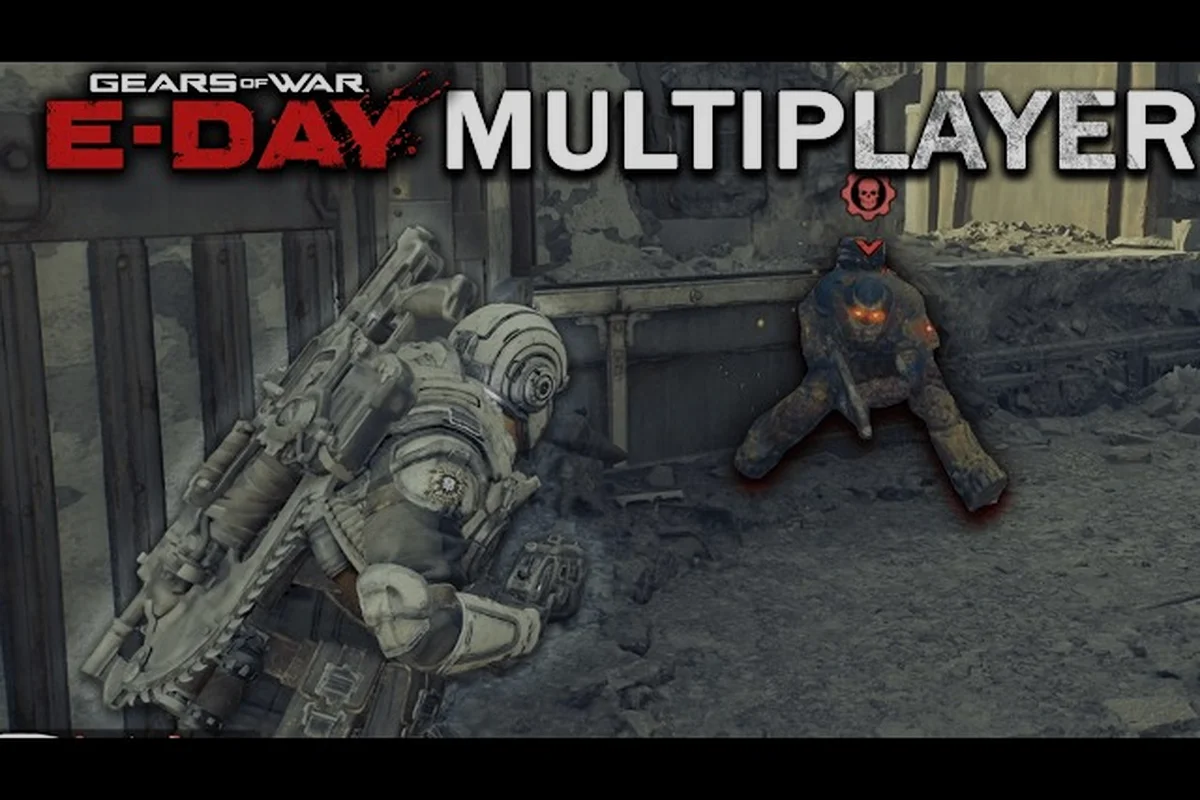
Gears of war e-day multiplayer progression rewards every match you play, whether you drop into Versus or grind Horde Siege with friends. The system tracks Player XP from level 1 to 100, then triggers a Re-Up reset that grants exclusive cosmetics and restarts your climb. Understanding how XP flows from matches, weekly challenges, and party bonuses makes the difference between a slow crawl and a steady march toward max rank.
The official E-Day multiplayer news page confirms that Player XP comes from match completion and weekly challenges, while a Gears 3-inspired medals system handles direct customization unlocks. That means your progression splits into two parallel tracks: the leveling ladder and the challenge-based reward pool. If you want to hit Re-Up before the first seasonal reset, you need to optimize both. The leveling ladder rewards raw playtime, while the challenge pool demands specific feats, so understanding how each feeds into your overall rank is critical—for a full breakdown of how those systems interact and where to focus your time, see our Gears Of War E Day Progression Guide, which maps out every XP source and seasonal milestone.
Player XP Basics and the Level 100 Climb
Re-Up Reset and the Level 100 Exclusive Reward
Re-Up is the endgame loop that begins the moment you hit Player Level 100. Instead of a hard cap, the system resets your Player XP to Level 1 and grants an exclusive cosmetic reward tied to that specific Re-Up cycle. Because XP requirements scale per level, the grind from 1 to 100 is substantially longer than the initial climb, making the reset a deliberate prestige mechanic. Plan your Re-Up timing around weekly challenge resets—completing a full 12-task rotation right before resetting maximizes your XP efficiency and minimizes wasted progress on the final stretch.
Versus Match XP and the Gnasher Meta
Versus match XP is awarded based on match completion, score, and personal performance, with the Gnasher dominating the current meta. A match where you secure 15+ downs with the Gnasher yields significantly more XP than a passive, long-range engagement with the Lancer, because score contribution is weighted toward objective and elimination events. For efficient leveling, prioritize aggressive close-quarters play on maps like Kalona, where the Gnasher's one-shot potential is highest. Avoid drawn-out matches with low kill counts—a 5-minute blowout with high eliminations generates more XP per minute than a 15-minute stalemate.
Every completed match in Versus or Horde Siege feeds your Player XP bar, which advances your level from 1 to 100. The rate scales with match length, performance, and whether you queue with a full party. According to the official progression breakdown, weekly challenges rotate 12 tasks split evenly between Horde Siege and Versus, giving you a predictable XP injection every week.
The leveling curve is not linear. Early levels require only a handful of matches, but the final stretch from level 80 to 100 demands significantly more XP per level. Community reports from the August open beta suggest that players who focus exclusively on Versus see roughly 1.5 to 2 levels per hour with consistent wins, while Horde Siege runs yield comparable XP but require longer time commitments per match.
| Progression Source | XP Output | Time Investment | Best For |
|---|---|---|---|
| Versus match completion | Moderate | 10-15 minutes per match | Fast, repeatable gains |
| Weekly challenges (Versus) | High | Varies by task | Guaranteed weekly boost |
| Weekly challenges (Horde Siege) | High | 30-45 minutes per run | Co-op focused players |
| Party bonus multiplier | +10-15% | Passive | Groups of 3-5 players |
| Re-Up reset bonus | Exclusive cosmetic | One-time per reset | Long-term collectors |
The Re-Up system works exactly like Gears 5 veterans expect: hitting level 100 triggers a reset back to level 1, but you keep all unlocked cosmetics, medals, and weapon mods. Each Re-Up tier grants a unique reward, and the official news post confirms that the reset is permanent with no way to pause it once you hit the cap. Plan your final matches before a Re-Up carefully if you want to stretch out a specific level for achievement hunting.
Weekly Challenges and the Medals System
The 12-Task Weekly Rotation Split
Weekly challenges rotate exactly 12 tasks, split evenly between Horde Siege and Versus. This 6/6 split forces participation in both modes to maximize weekly XP, as each task contributes a fixed XP bounty toward your Player Level. Prioritize the Versus tasks early in the week when matchmaking populations are highest, then shift to Horde Siege for the slower, longer missions. Since the rotation is fixed, you can pre-plan your play sessions around the specific tasks—for example, if a Versus task requires 10 kills with the Gnasher, queue into Team Deathmatch for faster engagements rather than the slower Conquest mode.
Horde Siege Weapon Parts and Mod Unlocks
Weapon Parts are the exclusive currency earned in Horde Siege missions, and they are the only path to unlocking Weapon Mods. Each mission completion grants a variable amount of Parts based on wave progression and difficulty, with later waves awarding exponentially more. Since Mods are permanent unlocks, prioritize the ones that synergize with your primary Versus loadout—for example, a Gnasher damage mod pays off in both Horde and Versus, while a Lancer stability mod is exclusively useful in sustained firefights. Farm Horde Siege on the highest difficulty you can reliably clear to maximize Parts-per-hour, as the time investment scales favorably compared to repeated low-wave runs.
Weekly challenges form the backbone of steady progression because they offer fixed XP rewards that do not decay with repetition. The 12 rotating tasks split evenly between Horde Siege and Versus, so you cannot ignore one mode entirely if you want maximum weekly XP. Each challenge typically requires specific actions like getting a certain number of kills with a particular weapon class or completing a Horde Siege wave threshold.
The medals system operates on a separate track from Player XP. Medals track long-term achievements across your entire career, and each medal unlock grants direct customization rewards like weapon skins, character variants, and banner elements. The official progression page describes this as a Gears 3-inspired system, which means you can expect a mix of easy early medals and grindy endgame ones that require hundreds of matches.
| Challenge Type | Example Task | XP Reward | Difficulty |
|---|---|---|---|
| Versus elimination | Get 25 kills with the Gnasher | High | Medium |
| Versus objective | Capture 10 zones in Control | Medium | Easy |
| Horde Siege wave | Reach wave 20 on any difficulty | High | Hard |
| Horde Siege kills | Eliminate 100 Locust with headshots | Medium | Medium |
| Party play | Complete 5 matches in a full party | Bonus XP | Easy |
Permanent challenges sit alongside the weekly rotation and never expire. These are the long-haul goals that reward dedicated players with exclusive cosmetics that cannot be earned any other way. The Weapon Parts economy feeds into this system as well: Horde Siege missions drop Weapon Parts that unlock Weapon Mods, giving co-op players a distinct progression path that Versus-only players miss entirely.
Versus Leveling Guide and Match Efficiency
If your goal is raw leveling speed, Versus matches offer the most consistent XP per minute because they have fixed match lengths and no failure state that wastes your time. A standard Team Deathmatch runs 10-15 minutes, while Control matches can stretch longer depending on how evenly matched the teams are. The versus leveling guide approach prioritizes short, winnable matches over long, uncertain ones.
Winning matters more than individual performance for XP output. Community testing from the beta suggests that a win grants roughly 30% more XP than a loss, so stacking the odds in your favor through party play and map knowledge pays off. The party bonus applies when you queue with three or more players, adding a flat percentage boost to every match's XP reward.
-
Queue with a full party — the bonus stacks and improves your win rate simultaneously
-
Focus on weekly Versus challenges — they grant more XP than several matches combined
-
Play during peak hours — faster matchmaking means more matches per hour
-
Avoid quitting matches — the quit penalty reduces your XP for subsequent games
-
Learn power weapon spawns — controlling the map leads to more wins and faster leveling
The quit penalty system discourages leaving matches early. If you quit a Versus match before it ends, you receive a temporary XP reduction on your next completed match, and repeated offenses extend the penalty duration. The system does not ban you outright, but it effectively halves your leveling speed for a period, which makes quitting a poor trade when you consider the XP you lose.
Party Play, Voice Chat, and Communication
Playing in a party is the single most effective way to accelerate gears of war e-day multiplayer progression because it combines the XP bonus with better coordination. The multiplayer parties guide covers the practical side: invite friends through the social menu, set your party to open or closed, and use the built-in voice chat for callouts. The game supports full cross-play between Steam and Xbox Series X|S, so platform differences do not block party formation.
Voice chat quality directly impacts your win rate in Versus. The voice chat guide recommends using push-to-talk on PC to avoid background noise, while console players should adjust their mic sensitivity in the audio settings. Clear callouts for enemy positions, power weapon timers, and flank routes give your team a measurable advantage over solo-queued opponents.
| Communication Method | Best Use Case | Platform Support |
|---|---|---|
| In-game voice chat | Quick callouts during matches | PC, Xbox |
| Party chat | Long-term coordination | PC, Xbox |
| Text chat | Pre-match strategy | PC only |
| Ping system | Silent communication | PC, Xbox |
The multiplayer settings menu lets you fine-tune your experience beyond just audio. You can adjust matchmaking preferences to favor your region, toggle cross-play on or off, and customize your controller layout for faster weapon swaps. These settings do not directly grant XP, but they improve your comfort and performance, which translates to more wins and faster progression over time.
Horde Siege Progression and Weapon Mods
Horde Siege offers a different progression rhythm that appeals to co-op players who prefer PvE over competitive matches. Each run takes 30-45 minutes depending on difficulty, and the XP payout scales with the wave you reach. The Weapon Parts system adds a layer of persistence: every mission drops parts that accumulate into Weapon Mods, which permanently alter your weapon performance.
The official progression page confirms that Weapon Parts are exclusive to Horde Siege, making this mode mandatory for players who want complete loadout customization. Versus players who skip Horde Siege miss out on these mods entirely, which creates a meaningful reason to engage with both modes. The Weapon Mods themselves range from simple stat boosts to situational effects that reward specific playstyles.
-
Higher difficulties grant more Weapon Parts — but the risk of wiping early wastes your time
-
Weekly Horde Siege challenges — complete these before Versus tasks for guaranteed XP
-
Class synergy matters — a balanced team reaches higher waves than a group of solo players
-
Weapon Mods persist across Re-Up — your investment never resets
-
Save parts for mods you actually use — testing all mods is expensive
The Re-Up reset does not touch Weapon Parts or unlocked mods, which means Horde Siege progression is permanent even though your Player XP resets. This makes Horde Siege the better long-term investment for players who plan to play for months, because the mods you unlock continue to improve your performance across every mode. Versus-only players reset their loadout progress every Re-Up, though they keep cosmetics and medals.
Frequently Asked Questions
How does the Re-Up reset work in gears of war e-day multiplayer progression?
When you reach level 100, the game automatically resets your Player XP to level 1 and grants an exclusive cosmetic reward. You keep all medals, Weapon Mods, and customization unlocks. The reset is permanent, so plan your final matches before hitting the cap to avoid losing progress on a specific level.
What is the fastest way to earn Player XP?
Queue with a full party to activate the bonus multiplier, then focus on completing weekly Versus challenges. Winning matches grants roughly 30% more XP than losses, so prioritize map control and power weapon spawns. Avoid quitting matches because the quit penalty reduces XP on your next completed game.
Do Weapon Parts reset when I Re-Up?
No — Weapon Parts and unlocked Weapon Mods persist through Re-Up resets. Only Player XP resets to level 1, granting an exclusive reward each cycle. Since Horde Siege missions are your sole source of Weapon Parts, every run permanently strengthens your loadout across Versus and co-op, making Re-Up a safe investment.
Can I earn progression rewards in both Versus and Horde Siege?
Yes, both modes feed the same Player XP bar, and weekly challenges split evenly between them. Horde Siege additionally grants Weapon Parts for mods, while Versus offers faster match turnover. Playing both modes maximizes your weekly XP and unlocks the full range of rewards.
Does the quit penalty affect Horde Siege matches?
The quit penalty primarily targets Versus matches where leaving harms your team. Horde Siege quits are less penalized because AI replaces the player, but repeated quits may still trigger the XP reduction. Complete Versus matches consistently to keep your progression rate at maximum.